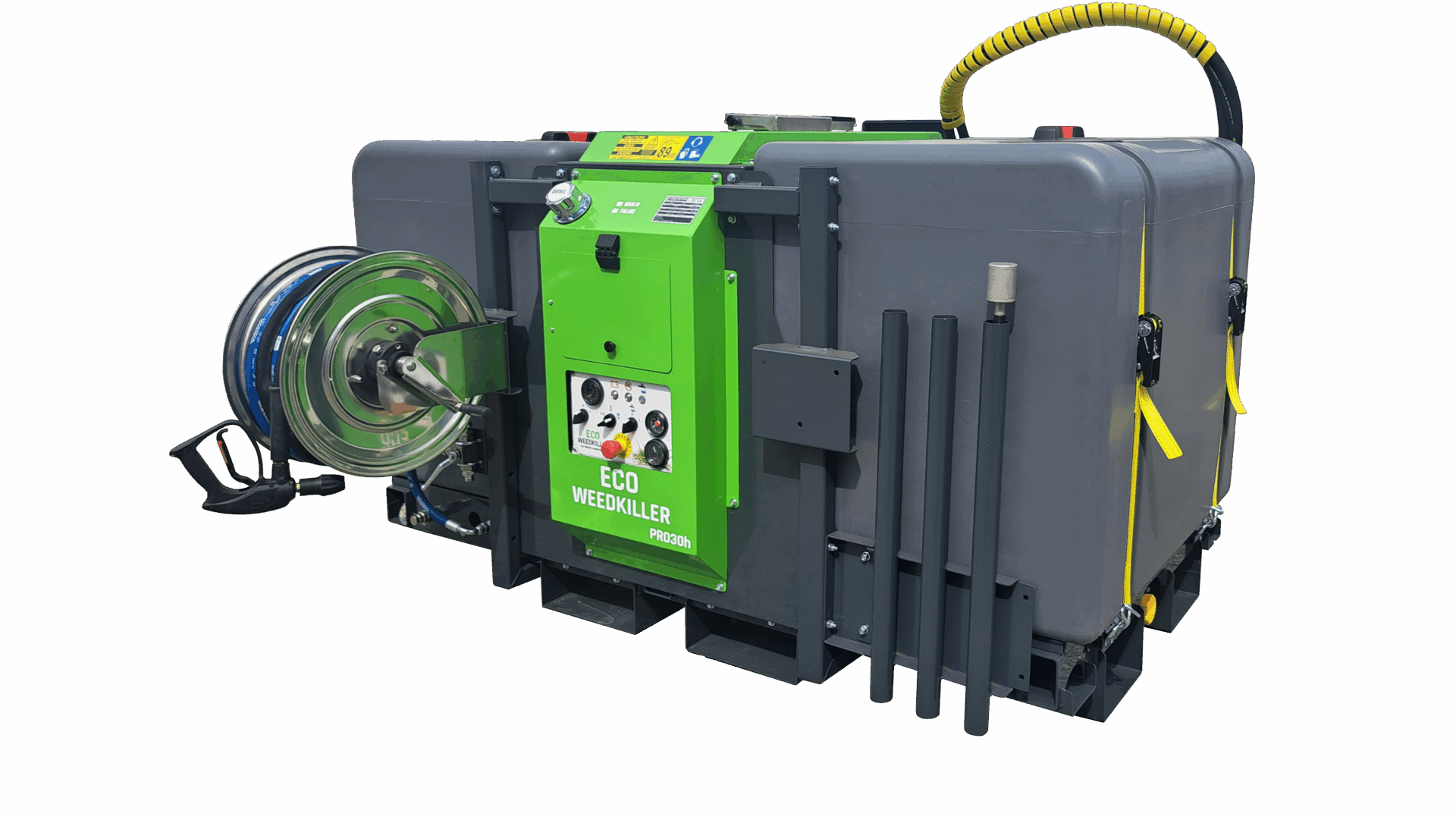
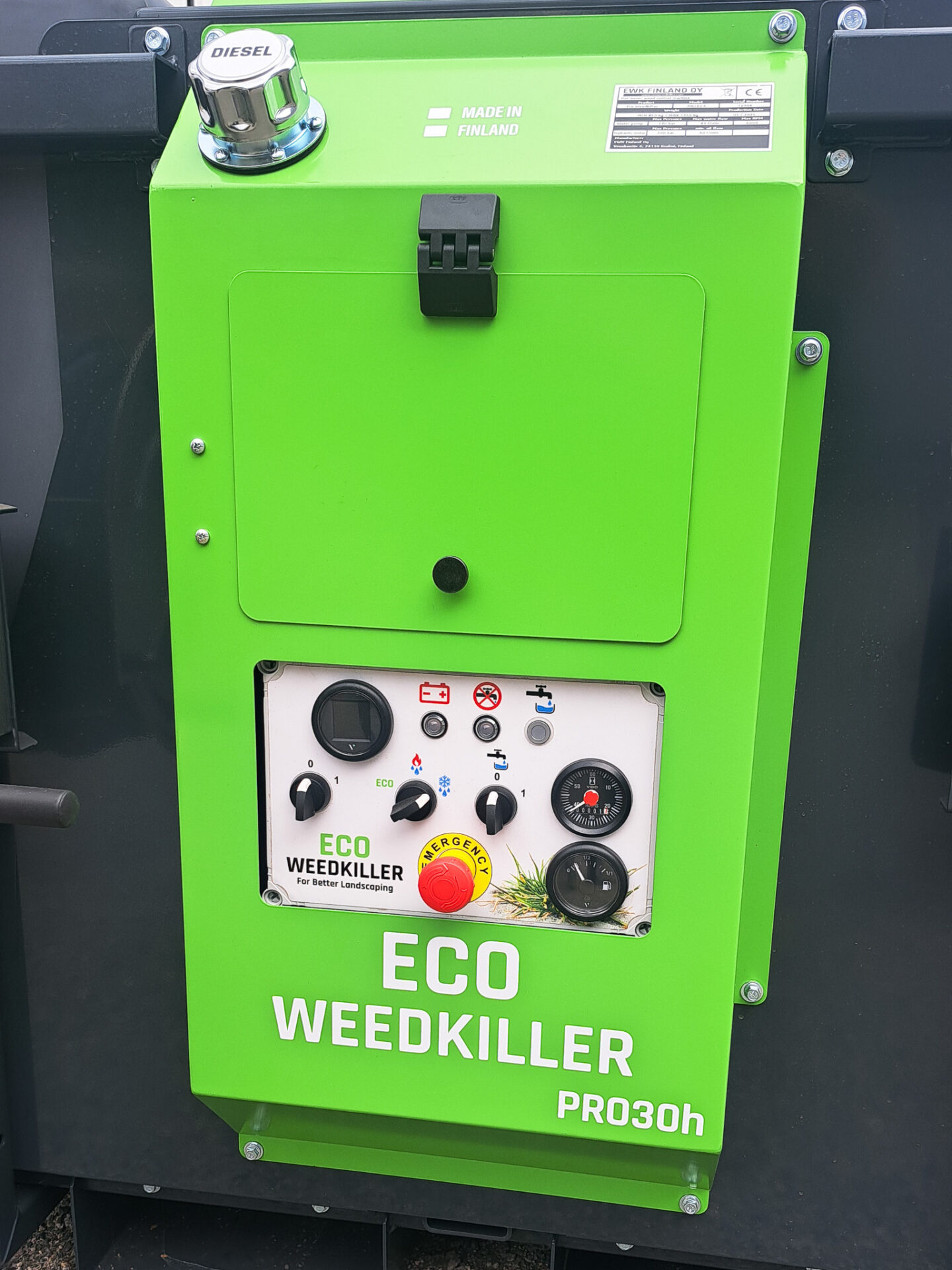
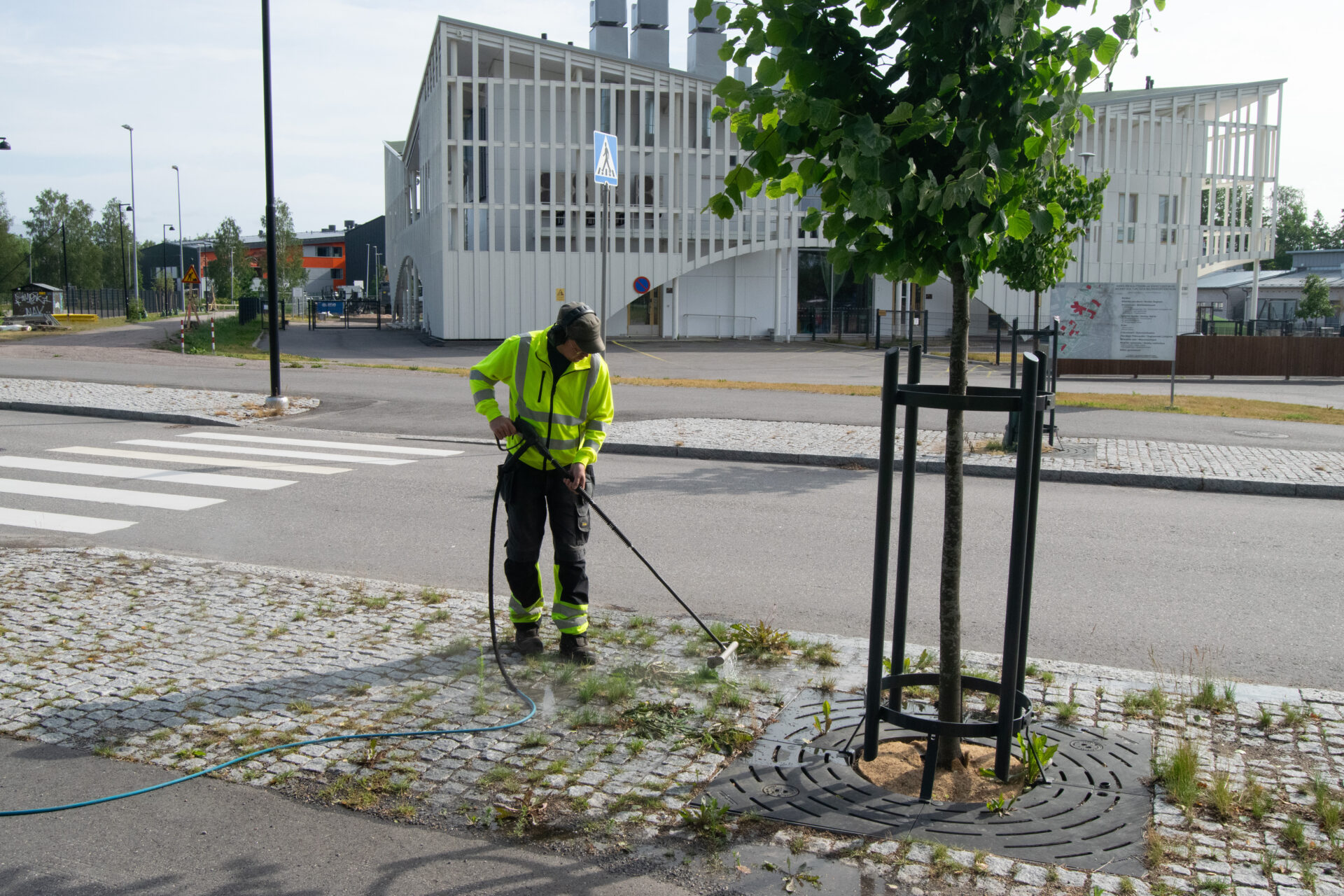
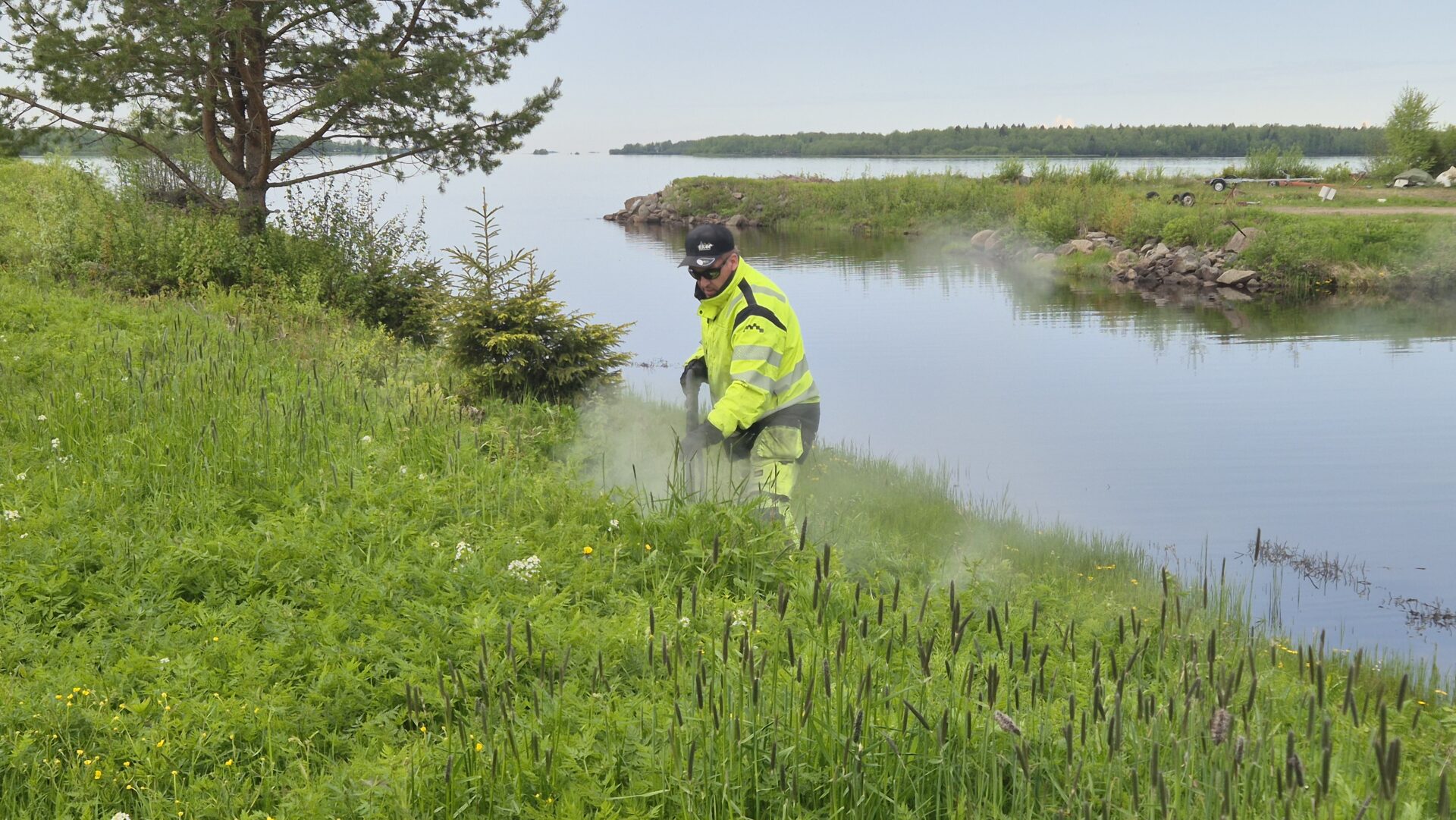
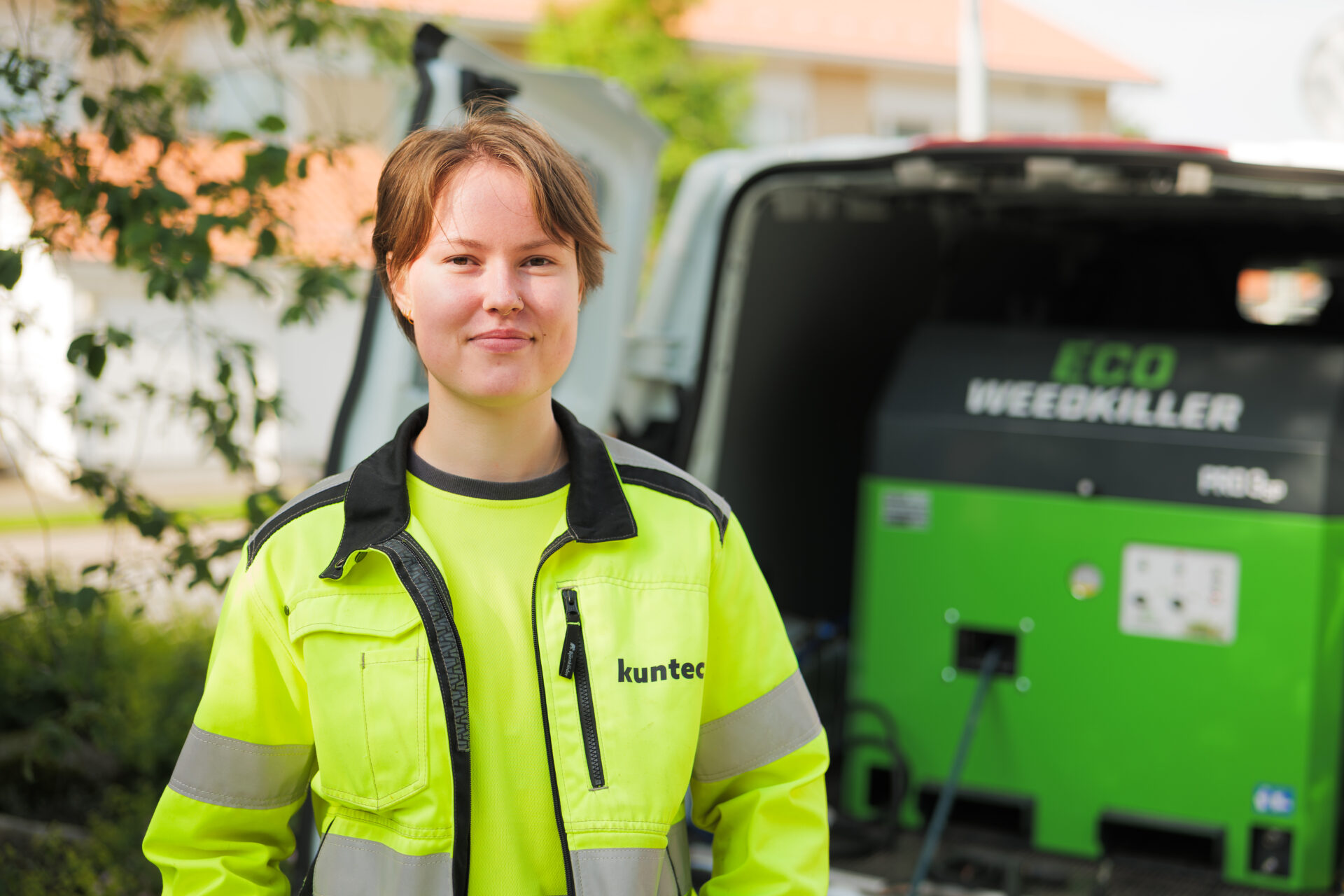
In the PRO40H unit, water is heated by two industrial burners (combined output 256 kW) and pressurised using hydraulics. Operating at an efficiency of over 95%, the system produces 40 litres of 100 °C water per minute. This is sufficient for effective and cost-efficient control of even the most challenging invasive species. The unit is powerful yet easy to use. Commissioning requires no calibration or adjustments—the operator can focus solely on the treatment. PRO40H is built with durable components, and spare parts and upgrade options are readily available.
Hydraulic power enhances performance
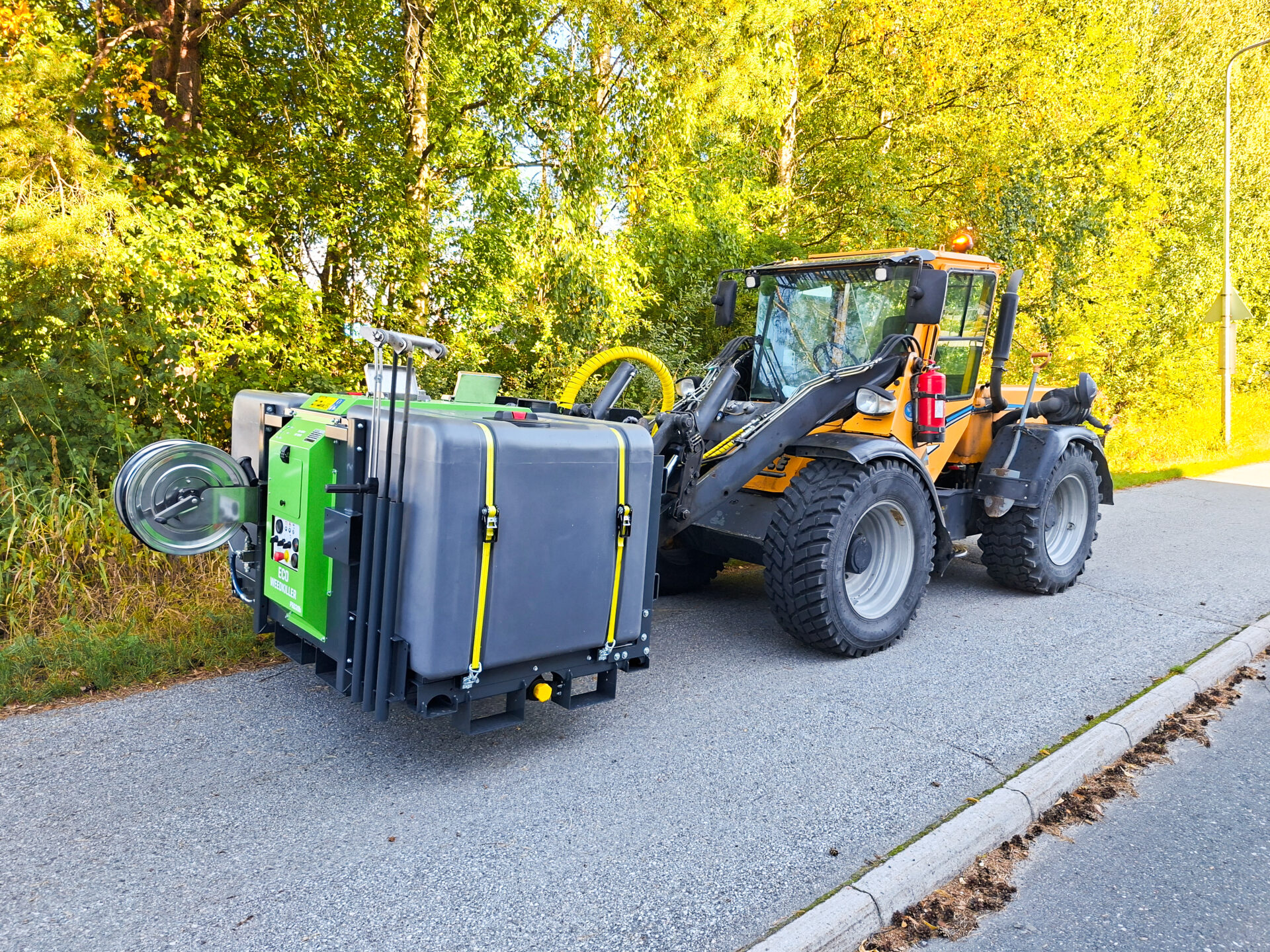
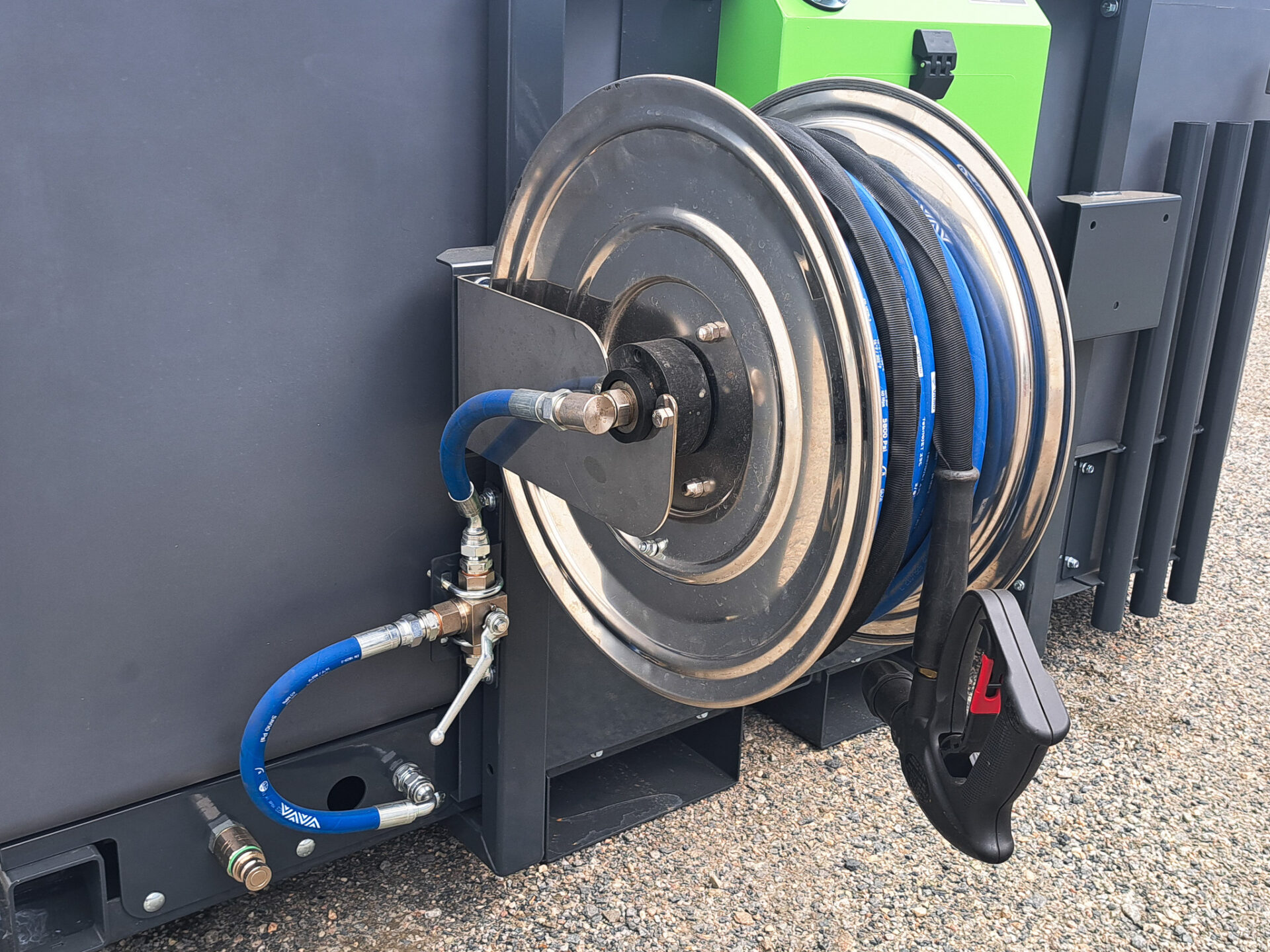
The unit is connected to the hydraulics of a property maintenance machine, tractor, or truck, providing an efficient and environmentally friendly power source. When an external water tank is connected, the unit can transport large volumes of water. This improves efficiency and reduces time spent fetching water. Almost all existing tanks are suitable for use. The best treatment results are achieved by applying the water manually, although clearly defined areas can also be treated mechanically. Optional accessories include front and rear spreading units as well as various hose and nozzle options.
A true all-rounder for property maintenance
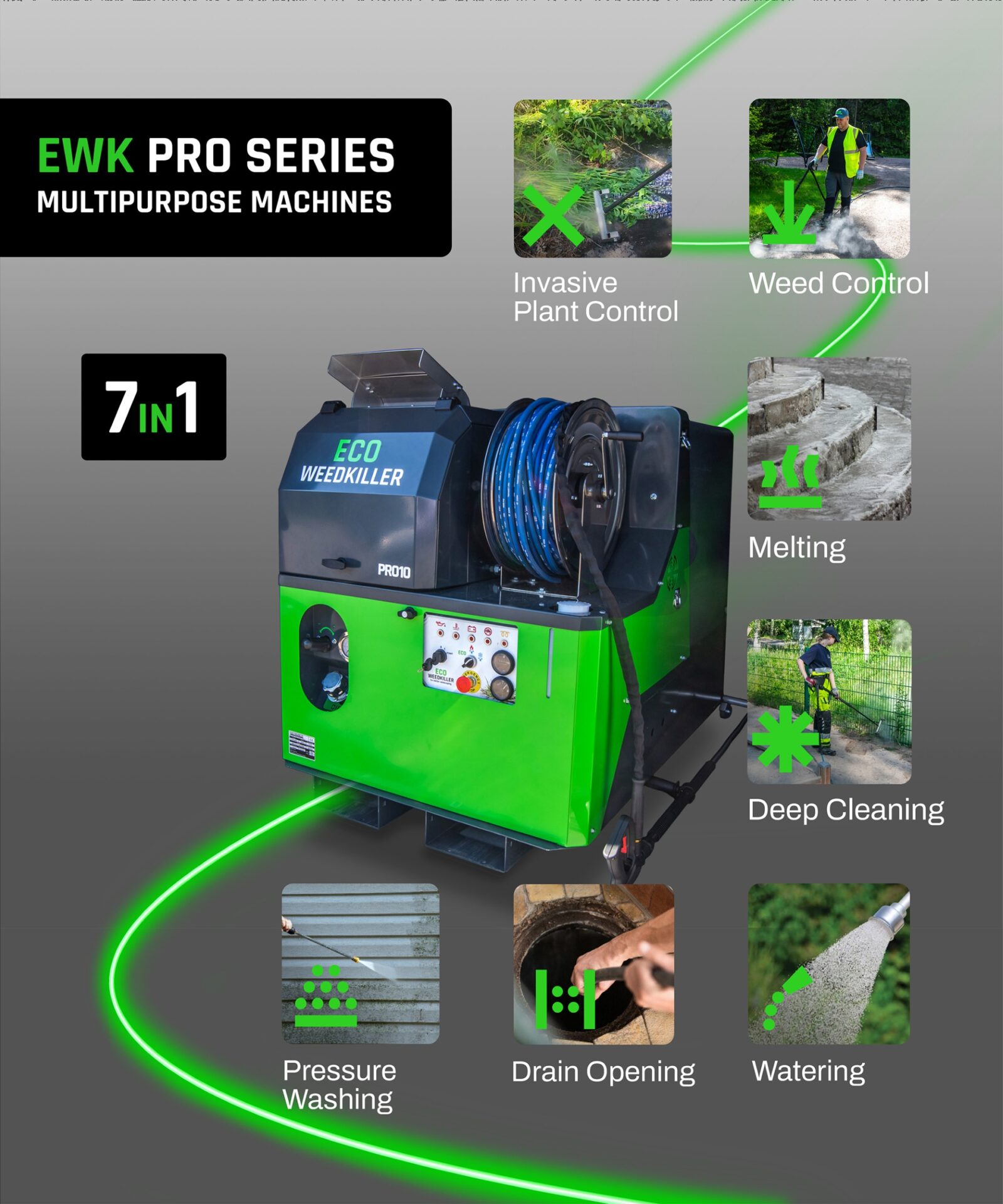
In addition to weed control, the unit is suitable for pressure washing, ice thawing, drain unblocking, and graffiti removal. An optional ozone water generator is available for odour removal and deep cleaning. PRO40H is a comprehensive solution for property maintenance and municipal service needs.
What factors influence cost-effectiveness in invasive plant and weed control?
- Water management must be planned according to the water demand of the site. Costs increase significantly if water has to be transported using a small tank.
- The production capacity of boiling water per minute/hour is important. Heating water is relatively inexpensive compared to labour costs.
- The correct dosage destroys weeds down to the roots, delaying the need for the next treatment. The biggest mistake is trying to save water.
- Regular and systematic control.The amount of plant biomass, especially with invasive species, has a significant impact on costsTimely control measures.
- Regularly combining different methods in area maintenance ensures cost-effectiveness without the use of harmful chemicals.
Why is it beneficial to combine different methods in invasive and weed control?
- No single non-chemical method is cost-effective or practical when used alone.
- The hot water method works effectively in controlling deep-rooted weeds.
- In challenging structures, hot water penetrates into cracks and surfaces.Brushing, hot air, mowing, and string trimming are excellent and fast methods for controlling small, newly emerged plants that have not yet developed deep root systems.
- Example: In an area with a dense dandelion population, first apply a hot water treatment. The next action should take place two to three weeks later. Hot water treatment may stimulate dormant dandelion seeds to germinate. These young seedlings are easy and quick to remove by string trimming or brushing – which also removes the already dead dandelions. Maintenance can then continue with mechanical methods until it is considered necessary to repeat the hot water treatment. By alternating methods in this way, costs remain reasonable even without the use of chemicals.