Is the unit difficult to use?
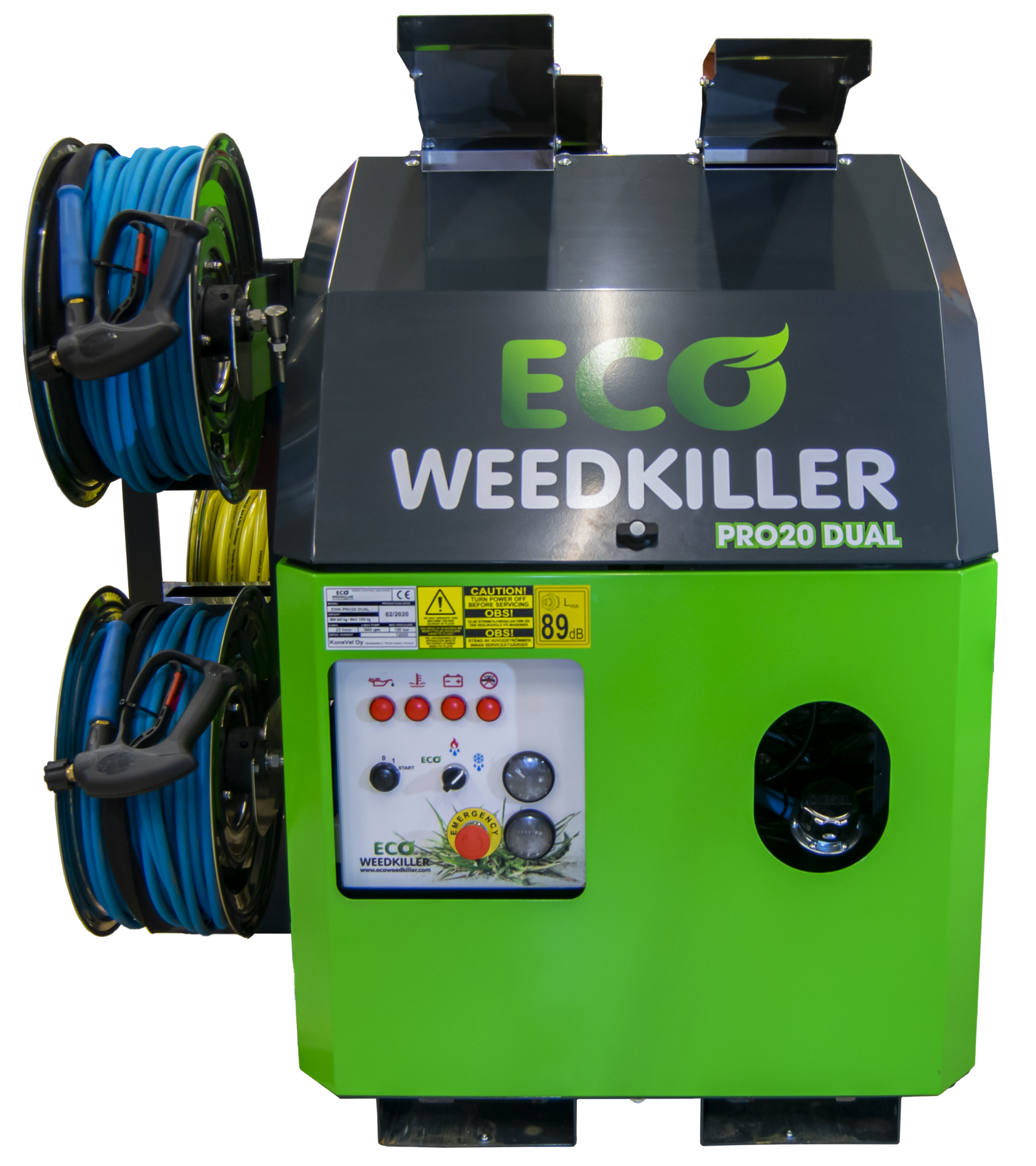
The unit has been made as easy to use as possible within reasonable cost limits. The technical solutions are simple.
- Fill the fuel tank with diesel or HVO diesel fuel.
- Fill the water tank or connect the unit to the water supply network.
- At the site, start the unit the same way as a passenger car.
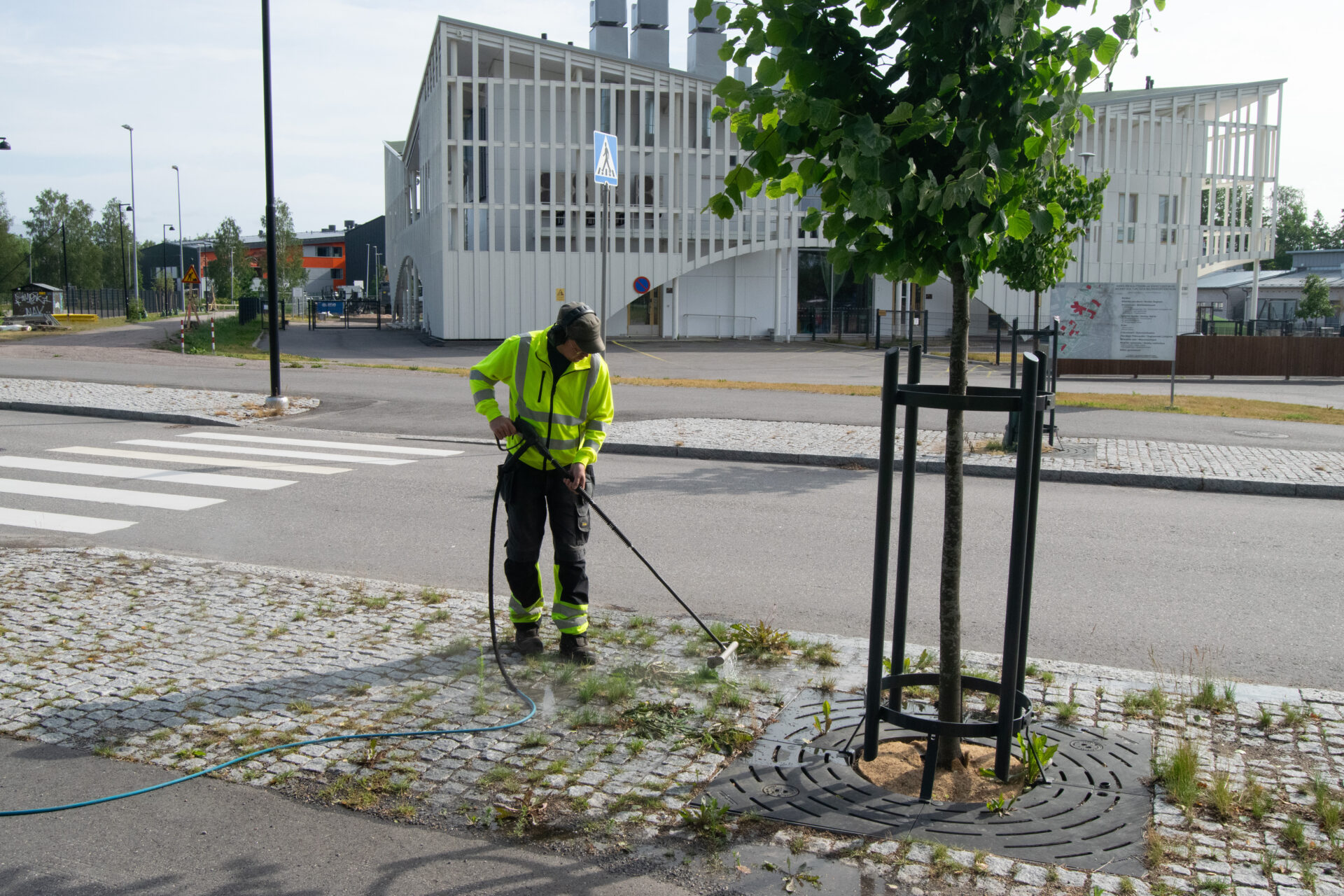
- Use the selector switch to choose the function you want: weed control, hot water high-pressure washing, or cold water high-pressure washing (also for plant watering).
- Change the nozzle via the quick coupling according to the task.
- Press the trigger and the selected water flow will start through the nozzle.
- In hot water functions, let the water run for a couple of minutes until it reaches the correct temperature.
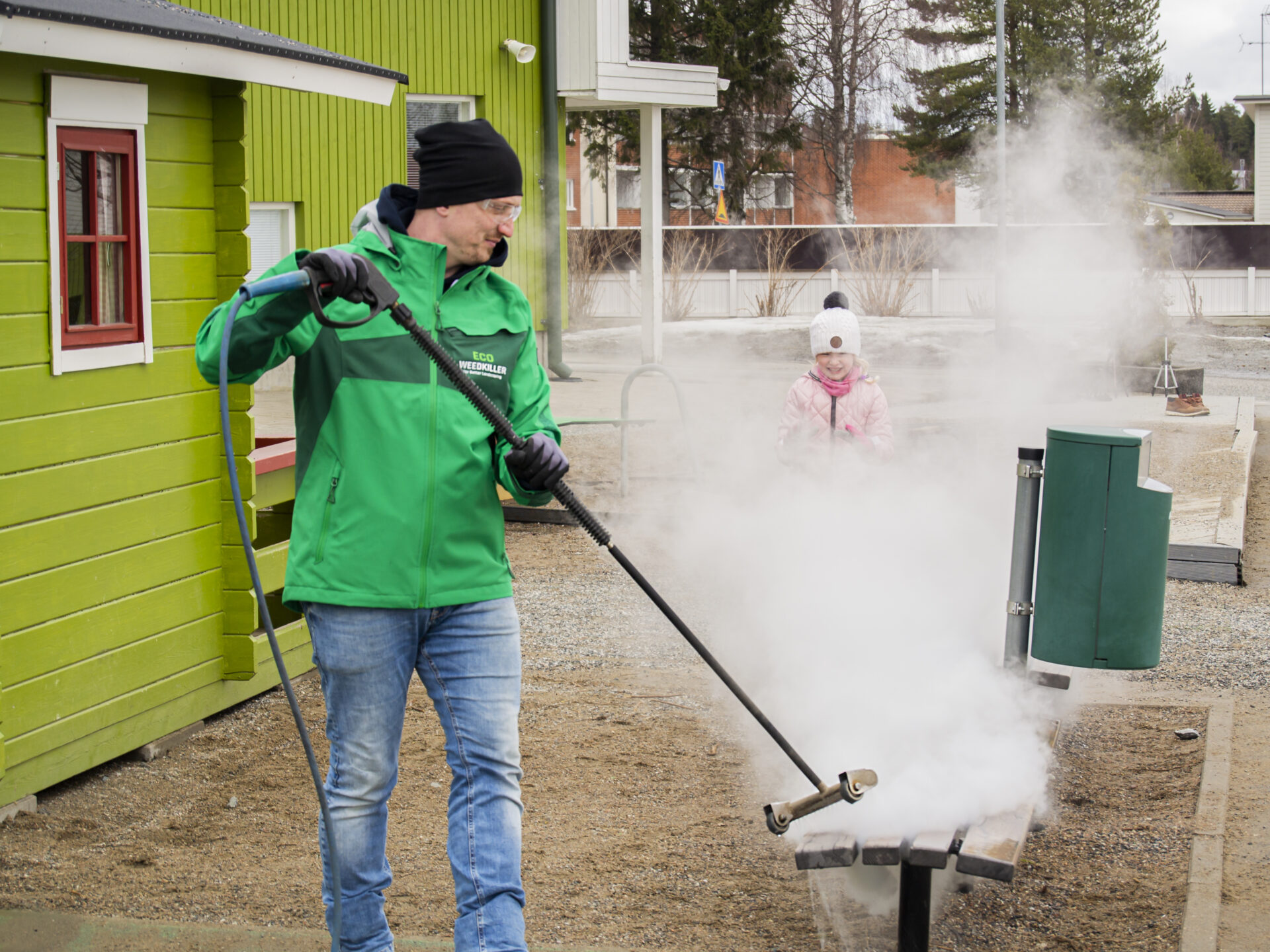
- The hissing sound from the nozzle indicates that the water is at 100°C during weed control.
Tough on Invasive Plant Species
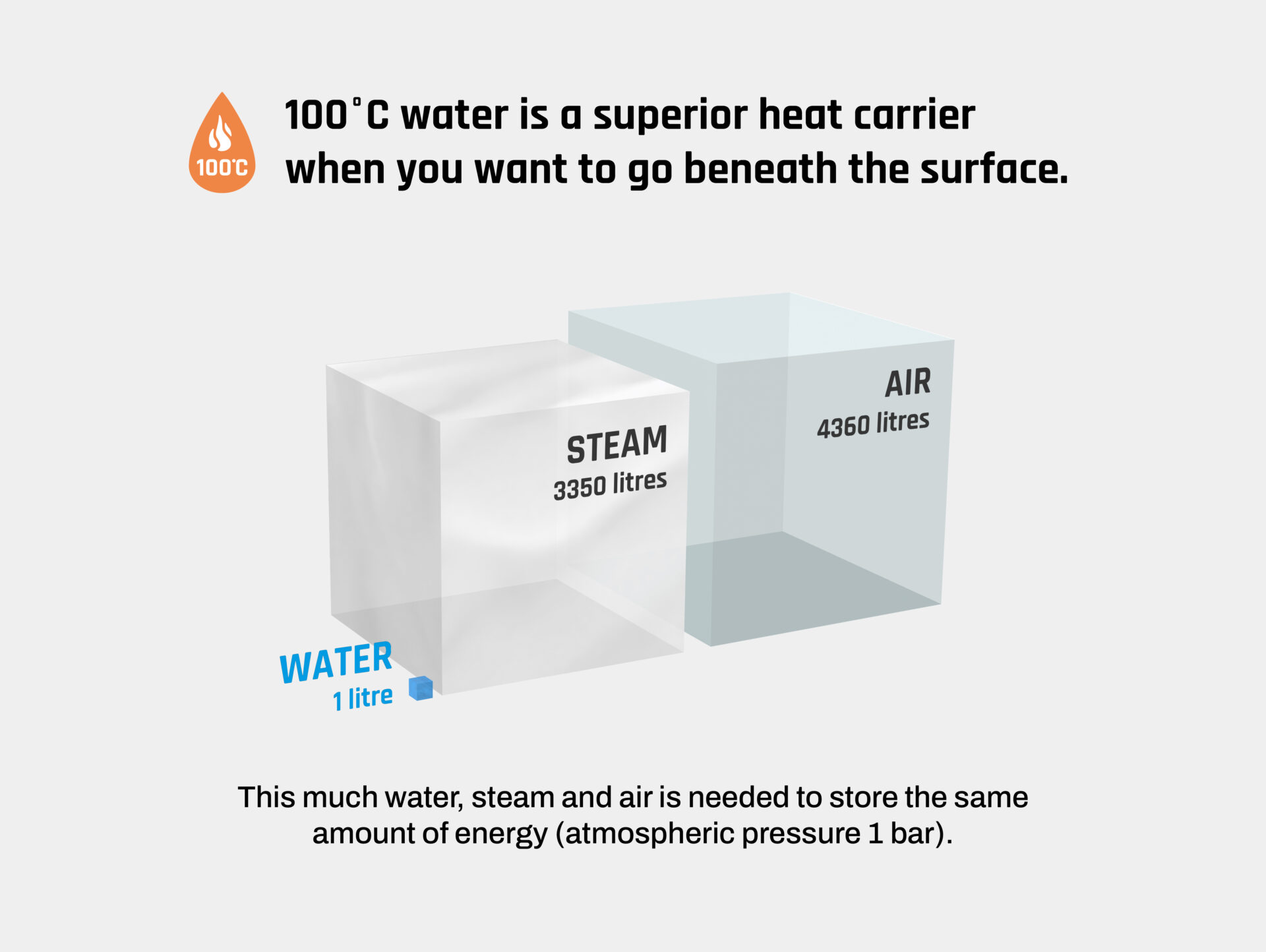
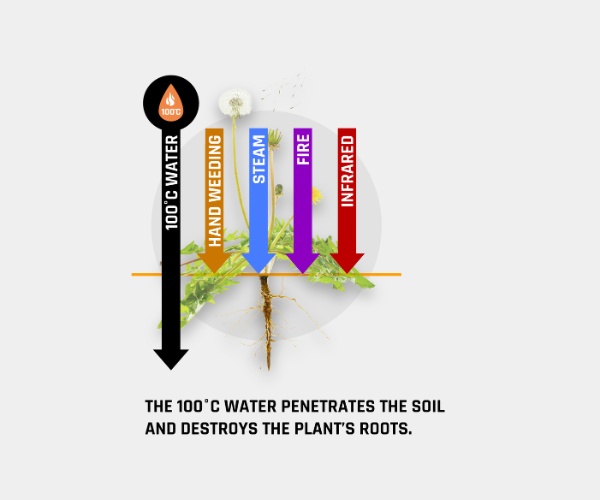
Thanks to high power, versatile treatment heads and superior hot water technology, the PRO 10e is highly effective even against demanding invasive plant species. These include Japanese knotweed, Himalayan balsam, giant hogweed, lupine and rugosa rose. The boiling water delivered by the unit penetrates the soil and destroys invasive plant roots precisely and efficiently. The treatment method and timing vary by plant species, but 100°C water has proven to be a cost-effective and environmentally friendly way to control harmful plants.
Transport
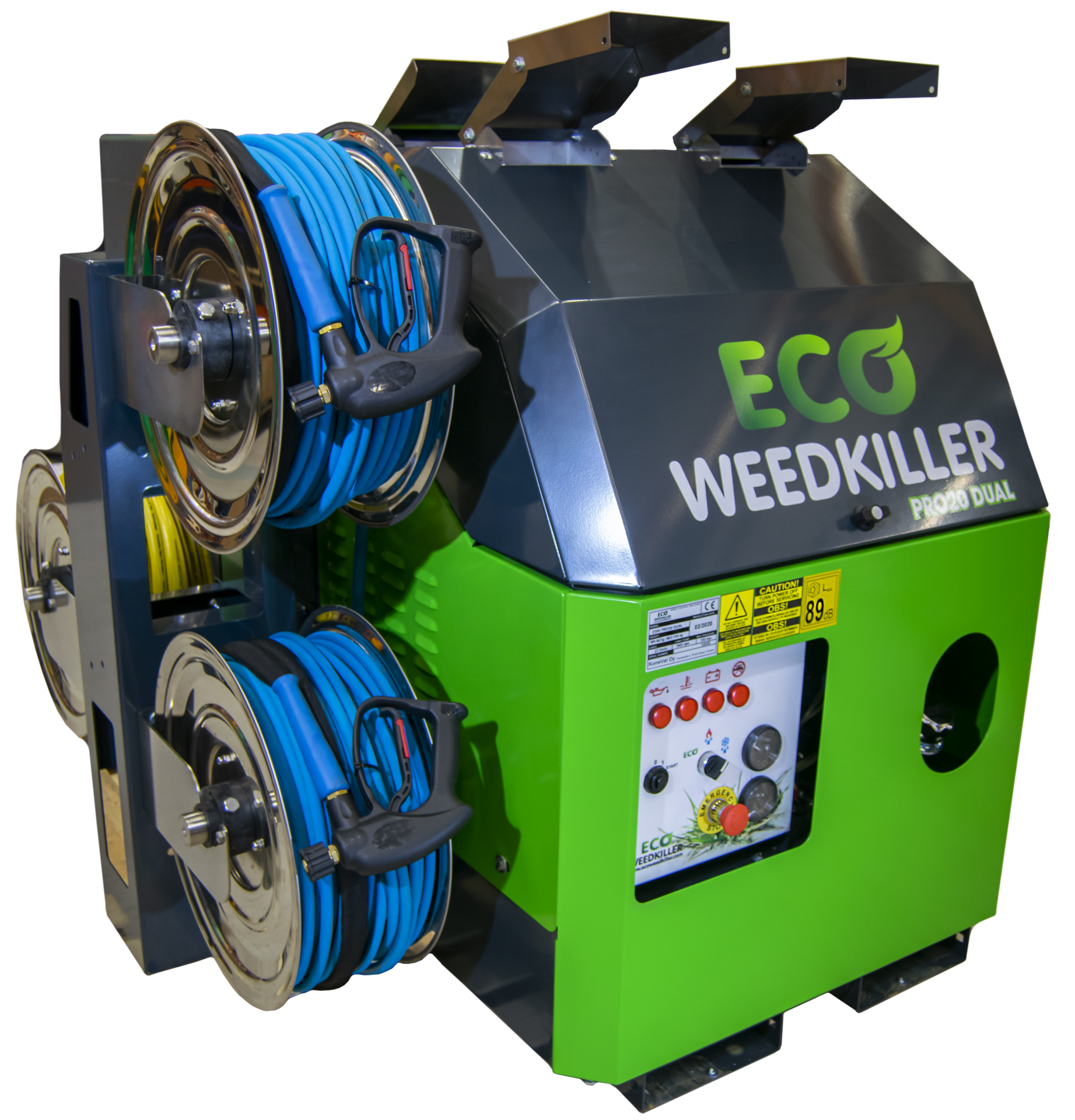
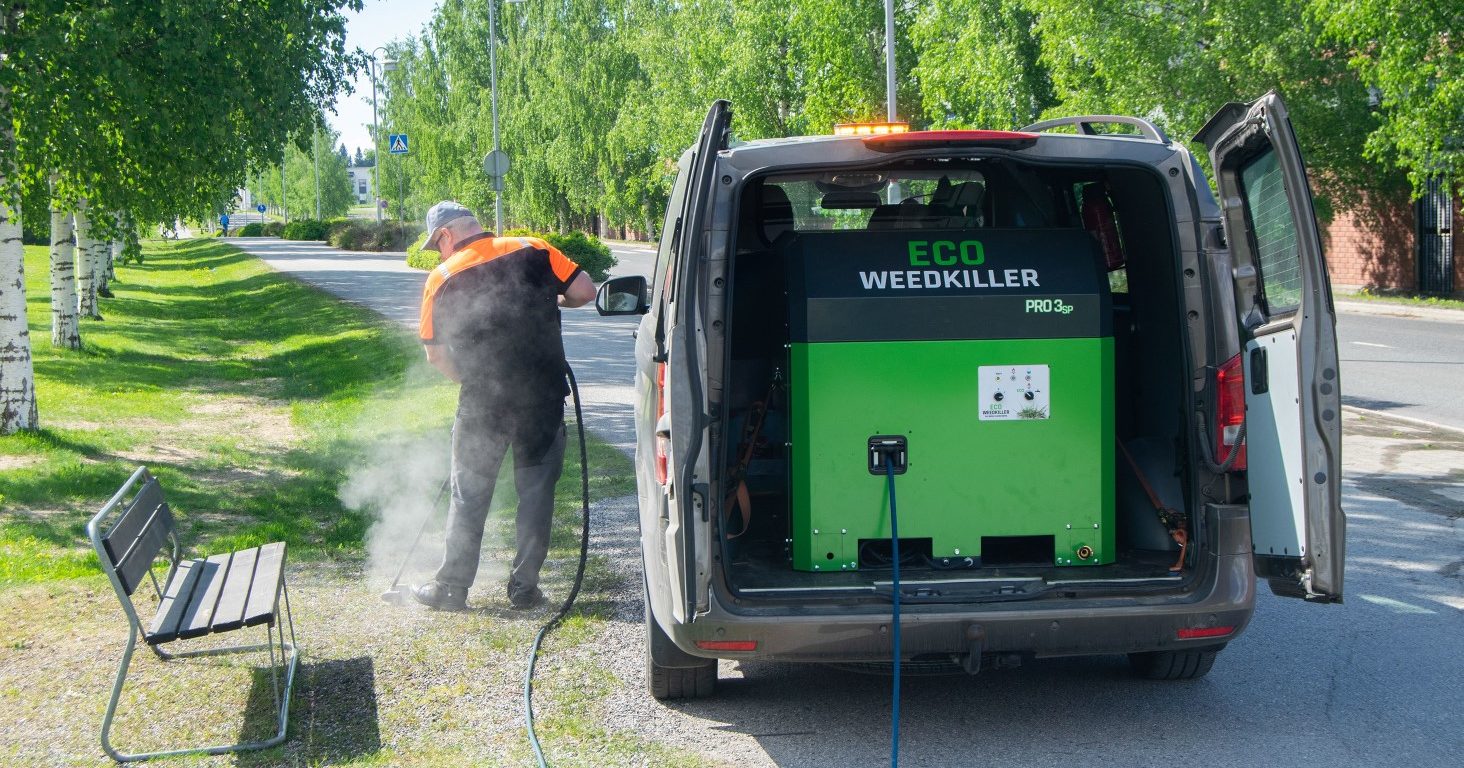
The PRO 10e can be transported using existing equipment. One-ton class vans are commonly used by many operators; we recommend choosing a vehicle with double rear doors to ensure proper exhaust ventilation. Nearly all braked trailers are suitable for transporting the unit. Tractor equipment with trailers also works well with the PRO 10e. An optional quick-mount frame is available for property maintenance machines and wheel loaders. Four tie-down points ensure safe securing to different transport platforms. Direct bolt mounting is also possible.
Water Supply Arrangements
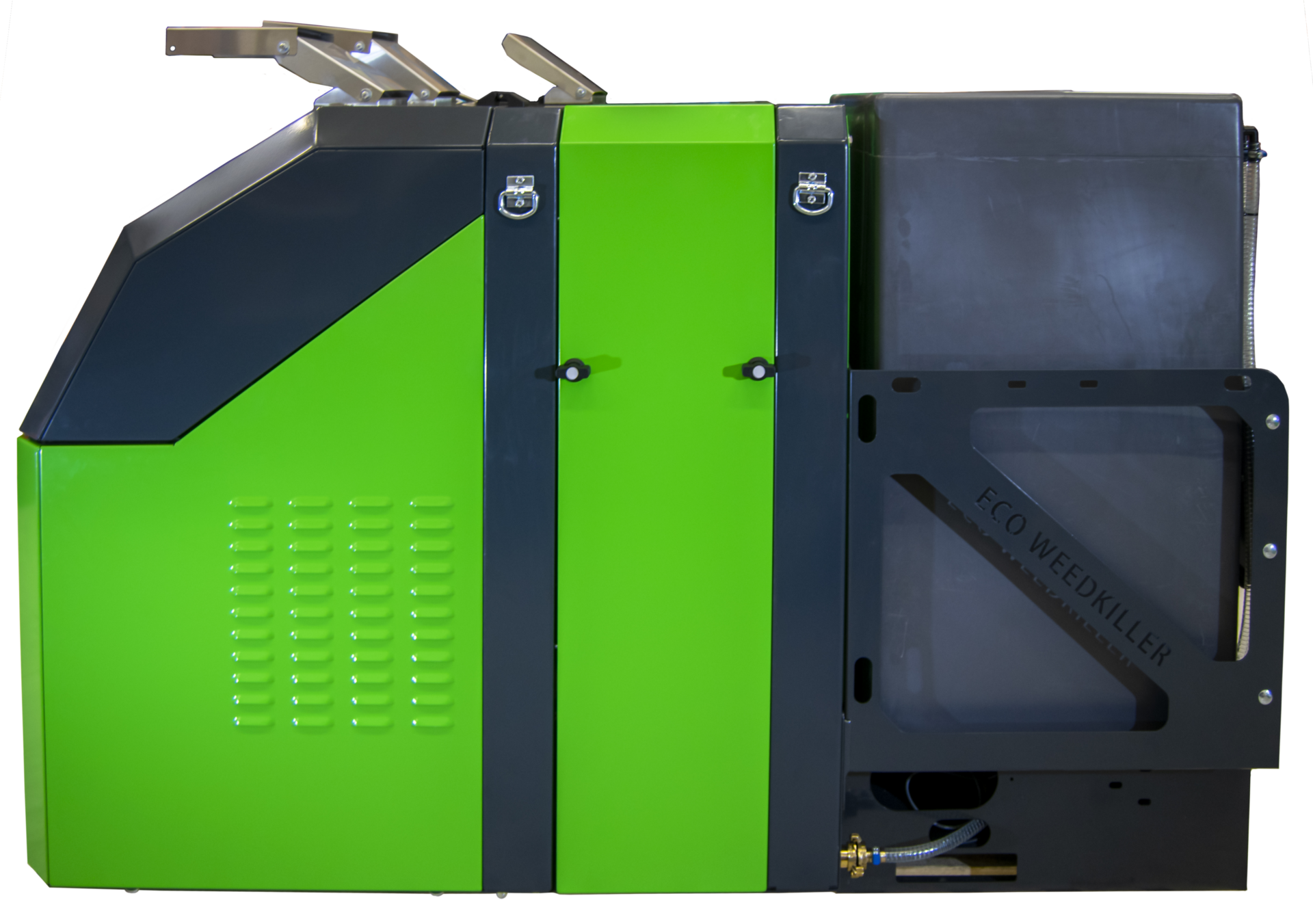
The PRO 10e is equipped with a 400-litre water tank, which provides approximately half an hour of operation. The unit can be connected to a water supply network via a dedicated connection. This connection prevents overfilling and allows you to work safely far from the unit, enabled by the 80-metre working hose. You can also fill the unit through the tank filling opening, for example, using a submersible pump from natural water sources (with filtration) or from separate containers. Filling is fast and efficient. The PRO 10e can also be connected to any available auxiliary tank; for example, cost-efficient IBC containers are suitable.
Our range also includes the Pro10e with diesel engine and fully electric Pro SP units, as well as the Pro 40h power package designed specifically for invasive species control.
What factors influence cost-effectiveness in invasive plant and weed control?
- Water management must be planned according to the water demand of the site. Costs increase significantly if water has to be transported using a small tank.
- The production capacity of boiling water per minute/hour is important. Heating water is relatively inexpensive compared to labour costs.
- The correct dosage destroys weeds down to the roots, delaying the need for the next treatment. The biggest mistake is trying to save water.
- Regular and systematic control.The amount of plant biomass, especially with invasive species, has a significant impact on costsTimely control measures.
- Regularly combining different methods in area maintenance ensures cost-effectiveness without the use of harmful chemicals.
Why is it beneficial to combine different methods in invasive and weed control?
- No single non-chemical method is cost-effective or practical when used alone.
- The hot water method works effectively in controlling deep-rooted weeds.
- In challenging structures, hot water penetrates into cracks and surfaces.Brushing, hot air, mowing, and string trimming are excellent and fast methods for controlling small, newly emerged plants that have not yet developed deep root systems.
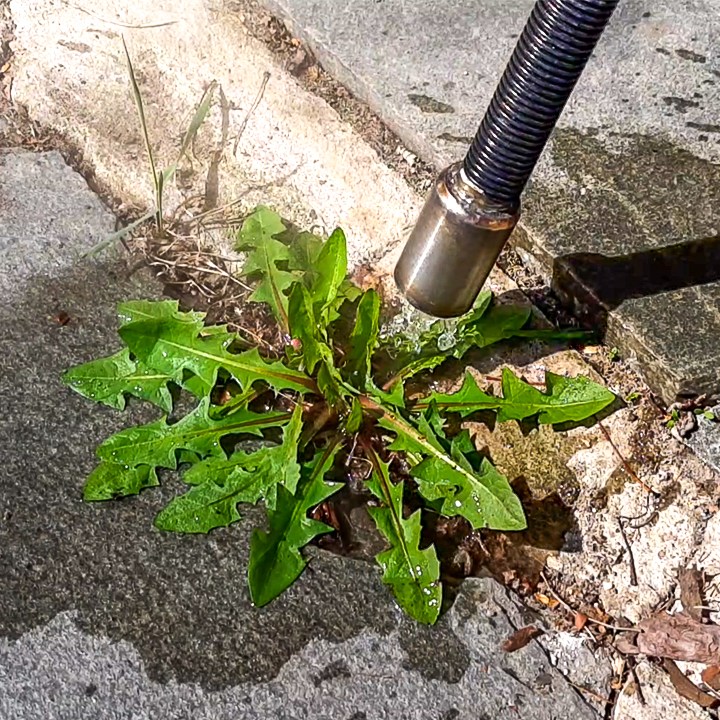
- Example: In an area with a dense dandelion population, first apply a hot water treatment. The next action should take place two to three weeks later. Hot water treatment may stimulate dormant dandelion seeds to germinate. These young seedlings are easy and quick to remove by string trimming or brushing – which also removes the already dead dandelions. Maintenance can then continue with mechanical methods until it is considered necessary to repeat the hot water treatment. By alternating methods in this way, costs remain reasonable even without the use of chemicals.